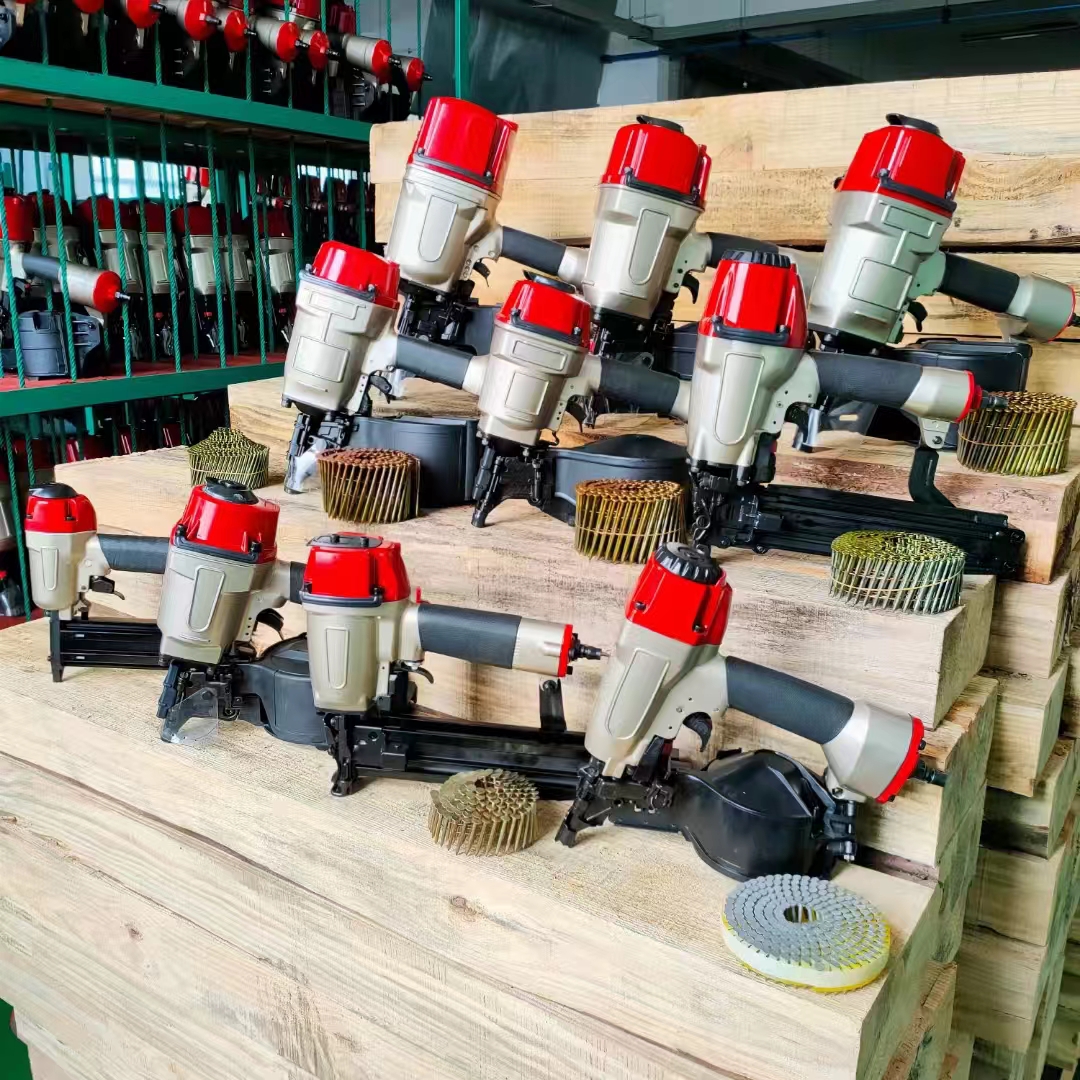
A coil nail gun is a useful tool for many construction and woodworking projects. It helps workers drive nails quickly, save time, and improve work efficiency. From roofing and fencing to pallet manufacturing and wood framing, this tool plays an important role in many industries.
However, not every coil nail gun suits every job. Different projects require different nail sizes, nail types, and tool specifications. In this guide, we will explain how a coil nail gun works, where you can use it, and how to choose the right model for your needs.
1. What Is a Coil Nail Gun?
A coil nail gun is a power tool that drives nails into wood and other suitable materials. Unlike a traditional hammer, it uses compressed air, electricity, or another power source to drive nails quickly and consistently.
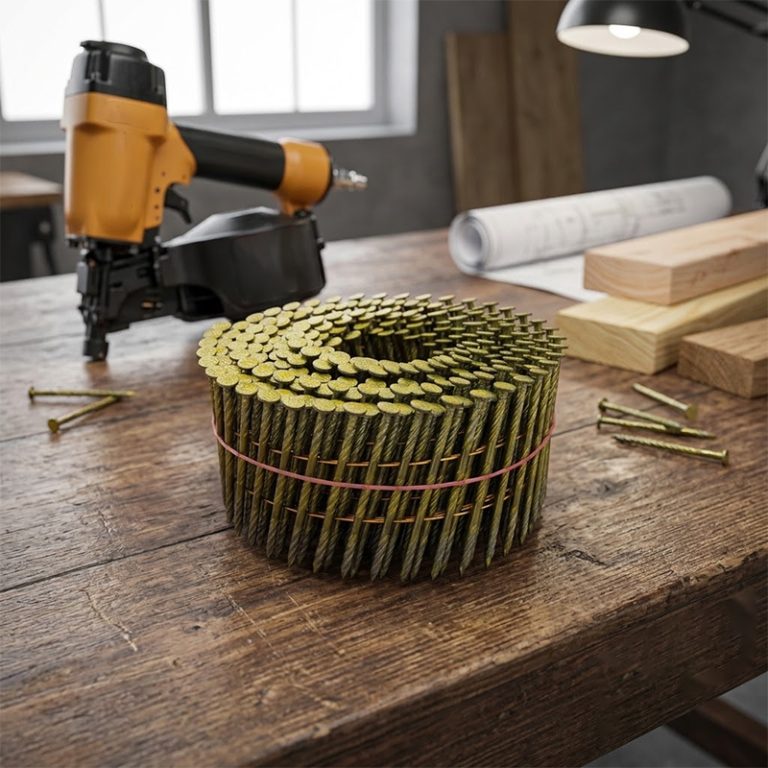
The tool uses a coil-shaped magazine to hold multiple nails. This design allows workers to drive many nails without stopping to reload after every few shots.
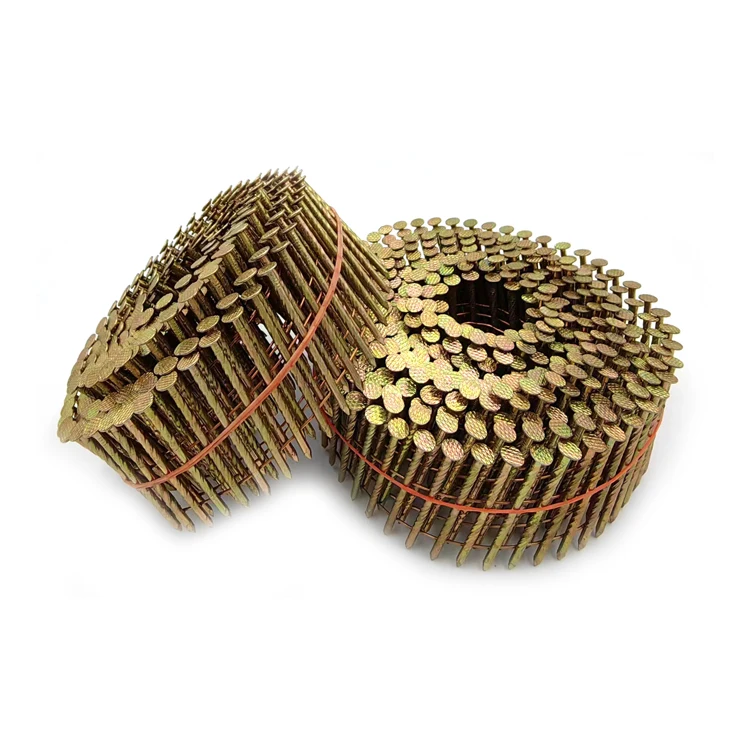
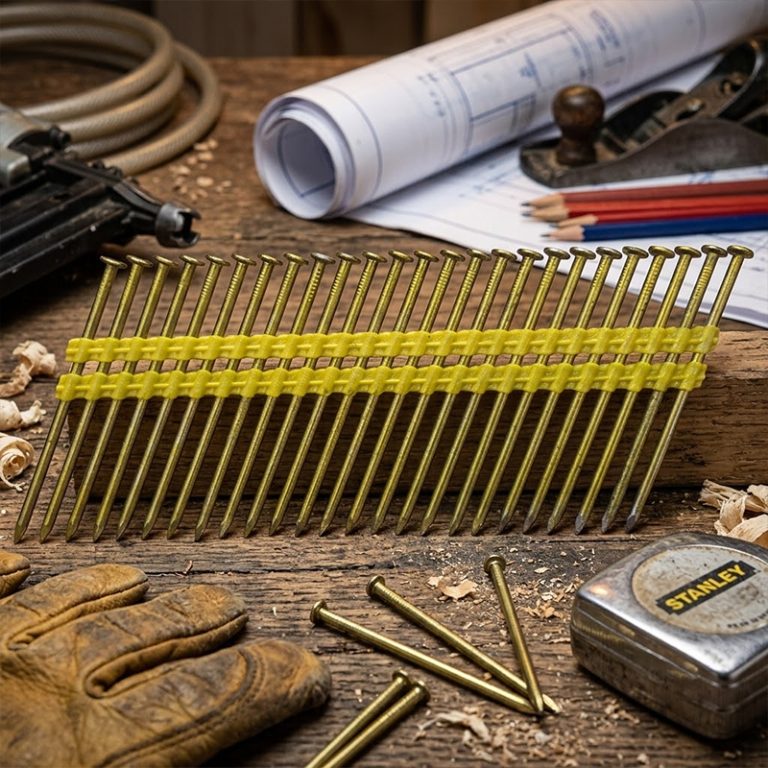
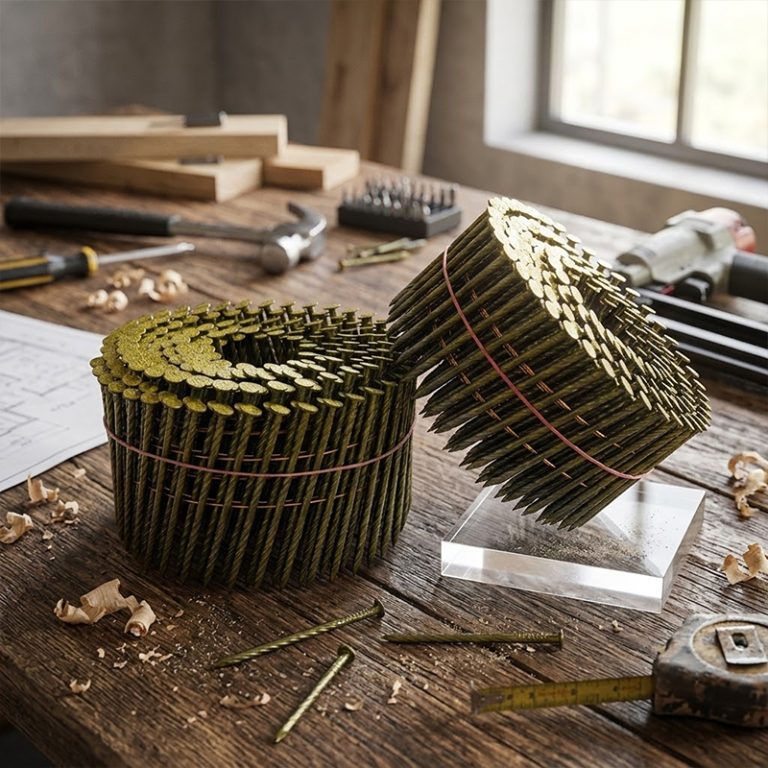
Most coil nail guns use collated coil nails, which manufacturers connect with wire or plastic, depending on the nail type and tool design. When the user pulls the trigger, the gun drives one nail into the target material.
Because of its high capacity and fast operation, a coil nail gun works especially well for projects that require a large number of nails.
2. Common Applications of Coil Nail Guns
Coil nail guns serve many industries. However, you should always match the nail gun to the specific application and the nail type it supports.
Roofing
Roofing contractors often use coil nail guns to install asphalt shingles and other roofing materials. The tool helps them drive nails quickly across large roof areas, making roofing work more efficient.
For these jobs, contractors typically choose roofing coil nail guns that support the correct nail length, head size, and collation type.
Fencing
Building a wooden fence requires many nails to connect boards, rails, and posts. A suitable coil nail gun helps workers complete these tasks faster than manual nailing.
In addition, choosing nails with the right length and corrosion resistance helps improve the durability of outdoor fencing.
Pallet and Crate Manufacturing
Pallet and crate manufacturers need to join wooden boards securely. Since production often involves hundreds or even thousands of nails, a coil nail gun can help improve productivity and maintain a consistent working pace.
Manufacturers should select a tool that matches their production requirements and the dimensions of their nails.
Wood Framing and Construction
Some coil nail guns support applications such as sheathing, wood framing, and general construction. Workers can use them to attach suitable wooden components quickly.
However, different framing tools have different capabilities. Always check the manufacturer’s specifications before choosing a nail gun for structural work.
3. How Does a Coil Nail Gun Work?
A coil nail gun uses a feeding mechanism to move nails from its magazine into the firing position. Although designs vary, most models follow a similar process.
First, the operator loads a compatible coil of nails into the magazine. Next, the feeding mechanism positions a nail in front of the driver. When the operator activates the tool, the driver pushes the nail into the material.
The tool then advances the next nail, allowing the operator to continue working.
Pneumatic coil nail guns use compressed air to drive nails. Electric models use an electric power system, while other designs may use different driving mechanisms.
Regardless of the power source, the basic purpose remains the same: drive compatible nails efficiently and consistently.
4. How to Choose the Right Coil Nail Gun
Choosing the right coil nail gun can help you improve efficiency and avoid unnecessary tool problems. Before making a purchase, consider the following factors.
Check the Nail Size
Different projects require different nail lengths and diameters. For example, roofing applications often use different nail specifications from pallet manufacturing or fencing.
Before buying a nail gun, check its supported nail length, shank diameter, head type, and other relevant specifications.
Confirm Nail Collation Compatibility
Coil nails come in different collation types and angles. Some use wire collation, while others use plastic collation. The nail gun magazine and feeding mechanism must support the nail type you plan to use.
Never assume that every coil nail fits every coil nail gun. Even nails with similar dimensions may not work properly in the same tool.
Consider the Power Source
Pneumatic coil nail guns remain a common choice for professional construction and manufacturing because they can support demanding, repetitive work when paired with a suitable air compressor.
Electric and other power-operated models may offer advantages for certain working environments. Consider your available power supply, working conditions, mobility requirements, and expected workload before deciding.
Evaluate Durability and Maintenance
If you use a coil nail gun every day, durability matters. Look for a reliable feeding mechanism, a comfortable grip, and a design that allows routine maintenance.
Regular cleaning and proper lubrication, where the manufacturer recommends it, can help maintain performance. You should also inspect the tool for worn or damaged parts and replace them when necessary.
Match the Tool to Your Application
A roofing contractor, a fencing installer, and a pallet manufacturer may have very different requirements.
Therefore, start with your actual application rather than choosing a tool based only on price. A suitable coil nail gun should match your nail specifications, work environment, production volume, and budget.
5. How to Choose the Right Coil Nails for Your Nail Gun
The nail gun is only one part of the fastening system. You also need the right coil nails to achieve reliable results.
First, check the nail dimensions. The nail length and diameter must fall within the tool’s supported range.
Second, consider the nail material and surface finish. Common options include bright steel, galvanized steel, and other finishes designed for different working environments. For outdoor applications, corrosion resistance becomes especially important.
Third, choose the right nail head and shank design. Smooth shank nails work well in many general fastening applications, while ring shank and other designs can offer different holding characteristics.
Finally, confirm the collation angle and material. The coil must fit the nail gun’s magazine and feeding system.
When you match the nails to both the tool and the application, you can reduce feeding problems and achieve more reliable fastening results.
6. Safety Tips for Using a Coil Nail Gun
A coil nail gun can improve productivity, but improper use can cause serious injuries. Follow these basic safety practices whenever you operate the tool.
- Read the manufacturer’s instructions before using the nail gun.
- Wear suitable eye protection and hearing protection when necessary.
- Keep your hands and other body parts away from the nail discharge area.
- Never point the tool at yourself or another person.
- Disconnect the air supply or power source before clearing a jam or performing maintenance, following the manufacturer’s instructions.
- Inspect the tool and nails before use.
- Use only compatible nails and recommended operating pressure.
- Keep the work area clear and maintain a stable working position.
In addition, never bypass safety mechanisms or use a damaged tool. Proper training and regular inspection help protect both operators and people nearby.
7. Common Problems with Coil Nail Guns
Even a good coil nail gun may develop problems during regular use. Understanding common causes can help you identify issues more quickly.
The nail gun does not fire. Check the power source, air supply, operating pressure, safety mechanism, and nail magazine. Always follow the manufacturer’s troubleshooting instructions.
The nails jam. Incorrect nail dimensions, incompatible collation, damaged nails, or a dirty feeding mechanism may cause jams. Remove the power source before inspecting or clearing the tool.
The gun drives nails too deeply or not deeply enough. The operating pressure, depth setting, material properties, or nail specifications may affect the result. Adjust the tool according to its instructions and test it on scrap material before starting the main job.
The nails do not hold securely. The problem may come from the nail type, nail length, material condition, or application requirements. Choose a suitable nail design and confirm that the fastening method meets the project’s needs.
If the problem continues, stop using the tool and consult a qualified technician or the manufacturer.
Conclusion
A coil nail gun is an effective tool for roofing, fencing, pallet manufacturing, and many other construction applications. It helps workers drive nails quickly and handle repetitive fastening tasks more efficiently.
To choose the right model, check the nail dimensions, collation type, power source, durability, and intended application. Just as importantly, select compatible coil nails with the right material, surface finish, and shank design.
By matching the tool and nails to your project, you can improve work efficiency, reduce common fastening problems, and achieve more consistent results.
Looking for reliable coil nails for your business? Explore our range of coil nails in different sizes and finishes, and contact our team to discuss your product requirements.