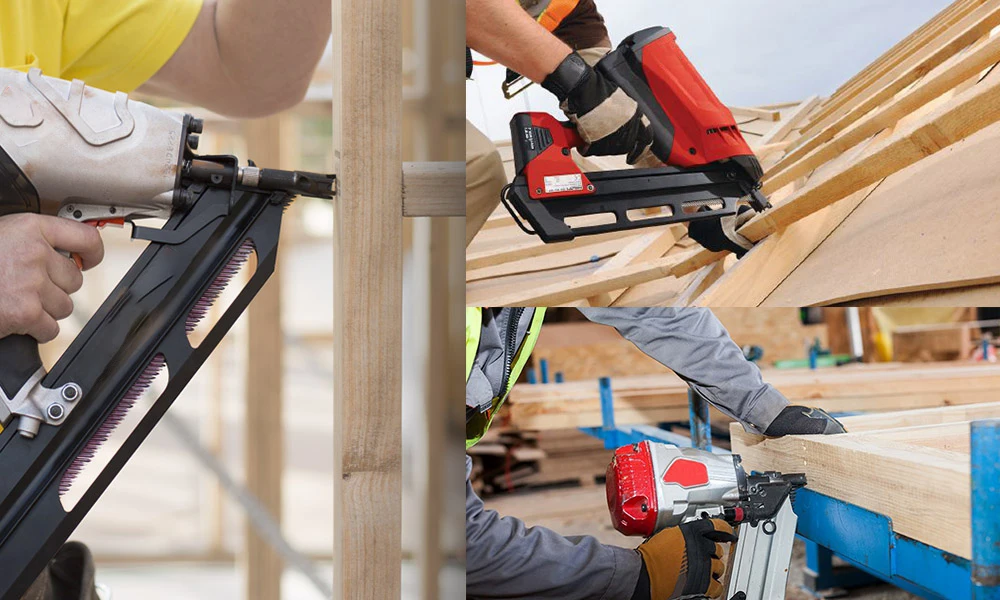
A plastic strip nail gun is a practical power tool for construction workers, carpenters, and woodworking professionals. It helps users drive nails quickly and complete repetitive fastening tasks with less physical effort. From wood framing and sheathing to fencing and general construction, this tool plays an important role in many projects.
Compared with traditional hand nailing, a plastic strip nail gun offers faster operation and more consistent fastening. It also helps workers save time, especially when a project requires hundreds or thousands of nails.
But how does a plastic strip nail gun work? Where can you use it, and what advantages does it offer?
In this guide, we will explore its working principle, common applications, main benefits, and important factors to consider when choosing the right tool.
1. What Is a Plastic Strip Nail Gun?
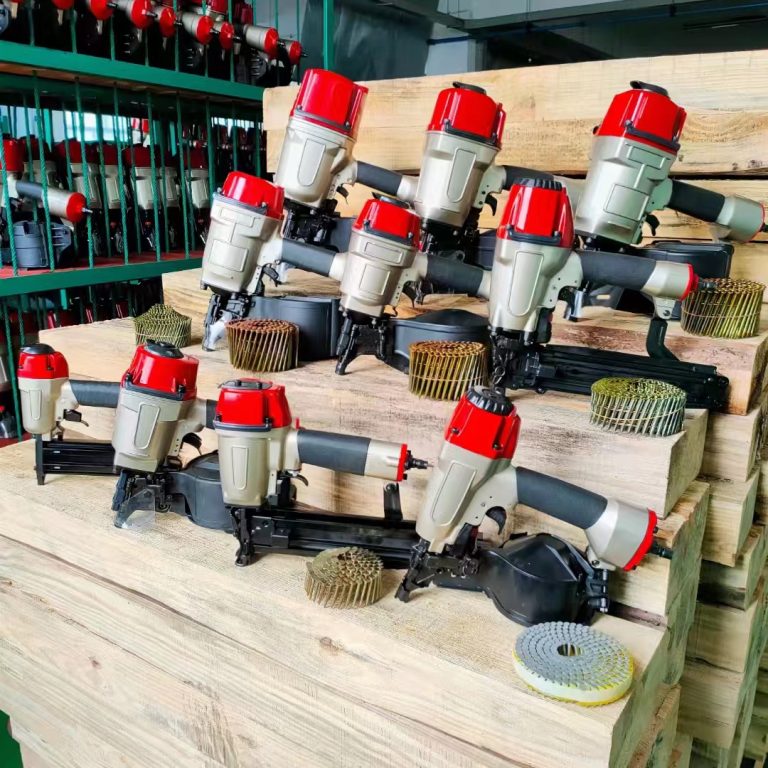
A plastic strip nail gun, also known as a plastic collated framing nailer, is a power tool that drives nails into wood and other suitable materials.
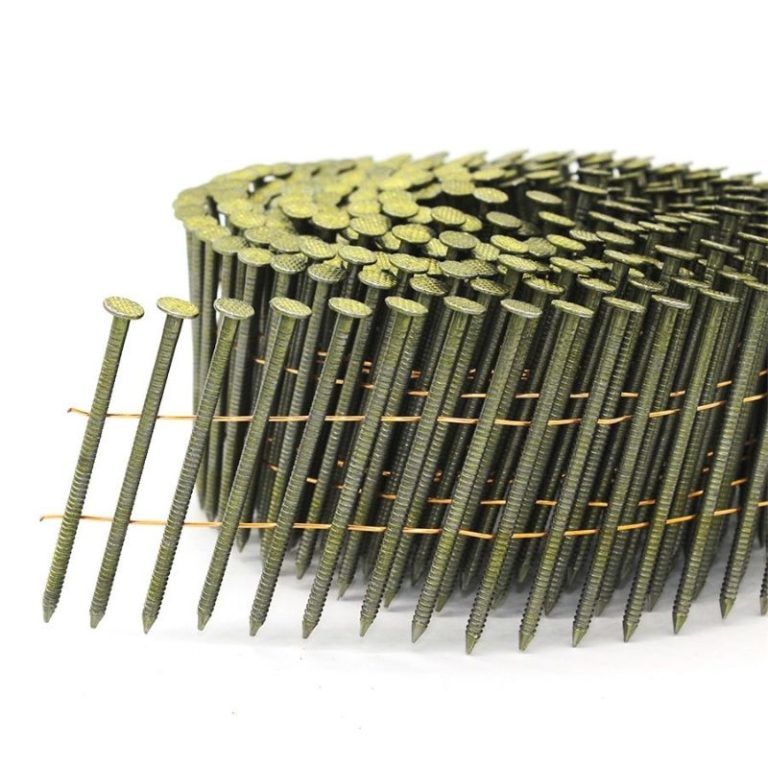
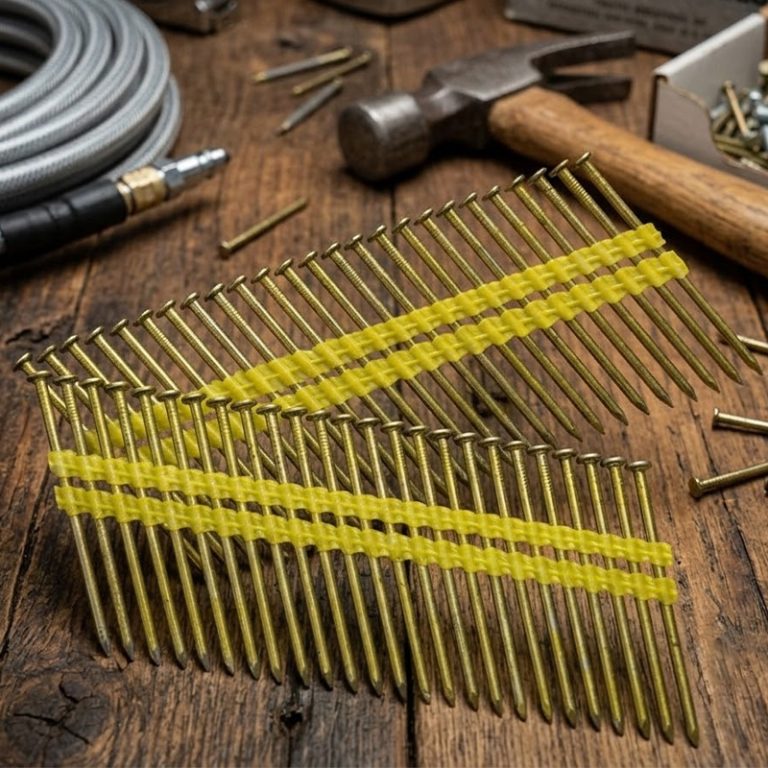
Unlike coil nail guns, which store nails in a circular magazine, a plastic strip nail gun uses straight nail strips. Manufacturers connect the nails with plastic carriers at a specific angle, allowing the tool to feed nails one by one during operation.
Most plastic strip nail guns use compressed air, although electric and cordless models also exist.
When the operator activates the trigger and safety contact mechanism, the tool drives one nail into the material. The feeding system then moves the next nail into position.
This design allows workers to complete fastening tasks quickly without loading individual nails after every shot.
2. How Does a Plastic Strip Nail Gun Work?
A plastic strip nail gun uses a simple feeding and driving system to complete repetitive nailing tasks.
First, the operator loads a compatible plastic nail strip into the magazine. The plastic carrier keeps the nails aligned and helps the feeding mechanism move them into the firing position.
Next, the operator places the safety contact against the target surface. When the operator activates the trigger according to the tool’s firing mechanism, the driver blade pushes a nail into the material.
After each shot, the feeding system advances the next nail.
The process continues until the magazine runs out of nails or the operator finishes the task.
Different nail guns may use different firing mechanisms and magazine designs. Therefore, always follow the manufacturer’s instructions when loading and operating the tool.
3. What Are the Main Uses of a Plastic Strip Nail Gun?
Plastic strip nail guns support a wide range of construction and woodworking applications. Their straight-strip design and efficient feeding system make them especially useful for projects that require frequent fastening.
3.1 Wood Framing
Wood framing is one of the most common applications for plastic strip nail guns.
Construction workers use framing nailers to connect wooden studs, beams, plates, and other structural components. These tools help workers assemble wall frames, floor structures, and roof frames more quickly.
For framing projects, users need to select nails with the correct length, diameter, shank design, and head type. Structural applications may also require nails that meet specific building standards.
3.2 Wall and Roof Sheathing
Builders often use plastic strip nail guns to attach plywood, OSB panels, and other suitable sheathing materials to wood frames.
The tool helps workers drive nails consistently across large surfaces, which improves construction efficiency.
For these applications, ring shank nails can offer increased withdrawal resistance in suitable materials. However, nail spacing, length, and fastening patterns must also follow the project specifications.
3.3 Fencing
Building a wooden fence requires many nails to connect boards, rails, and support structures.
A plastic strip nail gun helps contractors complete this work faster than manual hammering. In addition, users can choose galvanized plastic strip nails for suitable outdoor applications where moisture and weather exposure matter.
The right nail length and shank design also help achieve reliable fastening performance.
3.4 Decking and Outdoor Wood Construction
Some plastic strip nail guns support specific outdoor wood construction applications.
Workers may use compatible tools for selected wood assembly tasks, depending on the nail specifications and project requirements.
However, decking systems often require specific fasteners, coatings, or approved installation methods. Always check the decking manufacturer’s recommendations before choosing a nail gun and nails.
3.5 General Woodworking and Construction
Plastic strip nail guns also help with many other wood assembly tasks. For example, workers may use them to build wooden structures, install suitable panels, and connect different wood components.
Their fast operation makes them useful for both small workshops and large construction projects.
4. What Are the Advantages of a Plastic Strip Nail Gun?
Why do so many construction professionals choose plastic strip nail guns? Several practical advantages make these tools popular in the industry.
4.1 Faster Working Speed
A plastic strip nail gun drives nails much faster than manual hammering.
Workers can complete repetitive fastening tasks with fewer interruptions, which helps them save time and improve overall productivity.
For example, framing contractors often need to connect many wooden components during a single project. A suitable nail gun allows them to maintain a steady working pace.
4.2 Reduced Physical Effort
Manual hammering requires repeated arm movements and physical effort. During long working hours, this can cause fatigue and reduce work efficiency.
A plastic strip nail gun uses a power system to drive nails into the material. As a result, workers can reduce repetitive hammering and focus more on positioning and assembling materials.
4.3 Consistent Fastening Results
A nail gun helps users maintain a more consistent nailing process.
With the correct nail specifications and depth settings, workers can drive nails at a steady depth and spacing. This can improve the appearance and quality of finished wood structures.
However, material conditions, operating pressure, and tool settings still affect the final result. Always test the tool before starting a large project.
4.4 Convenient Nail Loading
Plastic strip nails come in straight strips, which allow users to load multiple nails into the magazine at once.
This design reduces the need to handle individual nails and makes repeated fastening tasks more convenient.
However, users must select the correct nail angle and collation type because different nail guns support different specifications.
4.5 Suitable for Large Construction Projects
Plastic strip nail guns work particularly well in projects that require large quantities of nails.
Whether workers assemble wall frames, install sheathing panels, or build wooden fences, these tools help them complete repetitive fastening operations efficiently.
Their practical design makes them useful for professional contractors, construction teams, and woodworking businesses.
5. What Types of Nails Can a Plastic Strip Nail Gun Use?
Choosing the right nails matters just as much as choosing the right nail gun. Different nail designs offer different fastening characteristics and suit different working environments.
5.1 Smooth Shank Plastic Strip Nails
Smooth shank nails have a plain, straight surface. They offer easy penetration and work well in many general wood fastening applications.
Contractors often choose them for framing and other projects where the specifications allow smooth shank fasteners.
5.2 Ring Shank Plastic Strip Nails
Ring shank nails feature circular ridges along the shank. These ridges grip the surrounding wood fibers and help the nails resist withdrawal.
They can provide improved holding power in suitable applications, such as sheathing and fencing.
5.3 Screw Shank Plastic Strip Nails
Screw shank nails feature spiral grooves along the shank. Their design helps them engage with wood fibers during installation.
These nails can offer strong holding performance in suitable materials and applications.
5.4 Galvanized Plastic Strip Nails
Galvanized plastic strip nails feature a zinc coating that helps protect the steel from corrosion.
Electro-galvanized and hot-dip galvanized options offer different coating characteristics and levels of corrosion resistance.
For outdoor construction, buyers should choose a suitable coating according to the expected moisture exposure and project requirements.
Important: Not every plastic strip nail gun supports every nail type. Before purchasing, confirm the nail length, diameter, head style, shank design, collation angle, and plastic collation specifications.
6. Plastic Strip Nail Gun vs. Coil Nail Gun
Both tools help workers complete repetitive fastening tasks, but their magazine designs and typical applications differ.
| Feature | Plastic Strip Nail Gun | Coil Nail Gun |
|---|---|---|
| Magazine design | Straight nail strips | Circular nail coils |
| Nail collation | Plastic carriers | Wire or plastic collation, depending on the model |
| Common applications | Framing, sheathing, fencing | Roofing, pallets, fencing, packaging |
| Nail capacity | Depends on strip length and magazine | Often holds a larger quantity of nails |
| Tool design | Often suited to framing work | Often suited to repetitive high-volume nailing |
Which tool should you choose?
If your work mainly involves wood framing, sheathing, or similar construction tasks, a plastic strip nail gun may be a suitable choice.
On the other hand, if you frequently install roofing materials or manufacture wooden pallets, a coil nail gun may better match your needs.
The best option depends on your application, nail specifications, and working environment.
7. How to Choose the Right Plastic Strip Nail Gun
Before purchasing a plastic strip nail gun, consider several important factors.
1. Check nail compatibility.
Confirm the supported nail length, diameter, head type, and collation angle. The nail strip must match the tool’s magazine and feeding system.
2. Consider the power source.
Pneumatic models use compressed air, while cordless models rely on batteries. Choose according to your working environment, available equipment, and mobility requirements.
3. Evaluate tool weight and comfort.
Workers may use a nail gun for several hours each day. A comfortable grip and suitable weight can help reduce fatigue during long working sessions.
4. Check magazine capacity.
A larger magazine can reduce reloading frequency. This feature can make a difference in projects that require continuous fastening.
5. Consider durability and maintenance.
Look for a reliable feeding mechanism, durable components, and convenient access to replacement parts. Regular inspection and proper maintenance can also help extend the tool’s service life.
8. Safety Tips for Using a Plastic Strip Nail Gun
Although a plastic strip nail gun improves efficiency, improper operation can cause serious injuries. Follow these basic safety practices:
- Wear safety glasses and suitable hearing protection.
- Keep your hands and fingers away from the nail discharge area.
- Never point the nail gun at yourself or another person.
- Read the manufacturer’s instructions before operating the tool.
- Use only compatible plastic strip nails.
- Follow the recommended operating pressure for pneumatic models.
- Disconnect the air supply or battery before clearing jams or performing maintenance.
- Never disable the tool’s safety mechanisms.
- Keep your working area clean and maintain a stable position.
Good safety habits help protect workers and keep equipment in proper working condition.
9. Common Problems with Plastic Strip Nail Guns
Even a reliable nail gun may develop problems during regular use. Understanding common issues can help users identify possible causes.
The Nail Gun Does Not Fire
Check the air supply or battery, trigger, safety contact, and magazine. Also, make sure the tool contains compatible nails.
The Nails Keep Jamming
Incorrect nail dimensions, incompatible plastic collation, damaged nail strips, or dirt inside the feeding mechanism may cause jams.
Disconnect the power source before inspecting the magazine or clearing a jam.
The Nails Do Not Go Deep Enough
Low air pressure, incorrect depth settings, or unsuitable nail specifications may affect driving depth.
Check the manufacturer’s recommended settings and test the tool on scrap material before continuing.
The Nails Go Too Deep
Excessive air pressure or an incorrect depth setting may cause overdriving.
Adjust the pressure or depth setting within the manufacturer’s recommended range. Also, consider the hardness and thickness of the material.
If a problem continues, stop using the tool and contact a qualified technician.
Conclusion
A plastic strip nail gun is a practical tool for wood framing, sheathing, fencing, and many other construction applications. Its fast operation, convenient nail loading, and consistent fastening performance help workers improve productivity and reduce repetitive physical effort.
To get the best results, choose a nail gun that matches your application and use compatible plastic strip nails with the correct dimensions, shank design, and surface finish.
Looking for reliable plastic strip nails for your framing nail gun? Explore our range of plastic strip nails in different sizes and specifications. Contact our team to discuss your requirements and find suitable fastening solutions for your business.